
0800 310 010
(дзвінки безкоштовні)


A new game titled Rocketon Coupons has recently debuted, and it’s already making waves, particularly in Canada. It mixes simple enjoyment with a unexpected level of strategic depth, built around a simple but powerful idea: the rush of blasting into the unknown. Let’s examine what makes Rocketon work and why it could very well be your next go-to game.
Guide to Rocketon’s Core Concept and Appeal
Rocketon knows what it wants to be. The game is based on the timeless concept of adventure and rising, offering you that pure thrill of blasting off and seeing how far you can go. The developers ensured you can start playing immediately without studying instructions. The controls seem intuitive almost immediately, which means you waste less time learning and more time actually playing. This intelligent layout suits anyone seeking to de-stress for twenty minutes or for a gamer striving for the top of the leaderboard.
Looks and sound matter, and Rocketon does this correctly. The design is uncluttered, the colors stand out without being flashy, and everything reacts immediately when you press a key or push a joystick. This polish isn’t just for show. It makes the game world feel solid and real, immersing you and keeping every game seamless and centered on the gameplay.
More than anything, Rocketon connects with that fundamental gaming urge we all have: the urge to improve and see your progress. Every time you unlock a new engine or obtain a stylish new coating for your ship, it feels like a real achievement. The whole game—the sounds, the imagery, the how your vessel controls—strengthens that dream of being a trailblazer, charting a path through uncharted star systems.
Breaking down the Gameplay Mechanics
To fully understand Rocketon, you must examine how it works. The game is a system of interlinked systems that acknowledge good timing, smart planning, and analyzing your mistakes. Every action you perform propels you a little ahead, and the game is great at providing you well-defined, satisfying milestones to reach along the way.
The Main Interaction Loop
Rocketon’s main loop is a process of gearing up, acting, and reaping the rewards. Each run requires your full attention. You take a split-second choice, and you see the effect right away. The game removes the boring parts to keep you in that state of impactful choice. A bright burst, a climbing score, a unique sound effect—all of it ties your actions straight to the game’s response, which is the factor that makes you desire to play “just one more run.”
Here’s how a typical run could unfold. You’re watching your fuel gauge as you weave through a zone of floating asteroids. You execute a boost flawlessly to slide between two spinning fragments of rock, collecting a cluster of glowing crystals on the way. A pleasant sound confirms the pickup. If you make a mistake and hit a wing, the screen vibrates for a moment and a warning light flashes, showing you clearly what went wrong so you can adapt next time. This immediate connection between what you perform and what you perceive and listen to makes the gameplay extremely sticky.
Development and Unlock Systems
The moment-to-moment flying is superb, but Rocketon also provides you greater goals to aim for. By clearing runs and hitting targets, you gain the ability to unlock new gear, personalize your ship’s appearance, or access harder challenges. The game balances these rewards thoughtfully. You get useful things frequently enough to experience like you’re always advancing, but not so quickly that it feels cheap.
The progression is structured cleverly. Your first few unlocks are practical, like a more efficient fuel injector or a better radar. These modify how you interact. Later, you may earn cosmetic upgrades—a sleek black body or a neon green engine wake—that let you demonstrate your flair. The ultimate goals could award you completely new ship types, each with different flight characteristics that require you to re-master and master the basics all over again. There’s always a new incentive on the horizon.
Visual Style and User Interface Analysis
A game speaks to you first through its visuals, and Rocketon’s style is one of simplicity and sleek design. The art makes sure you can always tell what’s important. Your important information is prominently displayed, while secondary elements are tucked away in menus you can access when you need them. Even the dazzling explosions and speed effects are made to look amazing without ever blocking your view.
The menus and heads-up display are your control hub. Everything is laid out intuitively. You can review your resource count, view your next objective, or modify settings without getting lost. Because the interface is so clean, you can maintain your brainpower concentrated on piloting and strategy, not on searching for a button.
The detail extends to the environments you traverse. A shimmering nebula, a dangerous asteroid belt, and the peaceful rings of a gas giant aren’t just various backdrops. They offer different gameplay. That nebula might conceal rare resources in its clouds, while the asteroid field calls for razor-sharp precision. The art isn’t just decoration; it’s part of the challenge.
Sound design adheres to the same rule. The engine roar swells and fades with your throttle. A low, pulsing alarm informs you your shields are depleting. The music swells during a narrow escape and mellows out when you’re traveling safely. It all harmonizes to deliver an experience that feels immersive and captivating for your eyes and ears.
Strategic Depth and Player Engagement Factors
Rocketon is straightforward to pick up, but it isn’t simple. If you want to dig deeper, you’ll find plenty of room for strategy. You can plan optimal routes, manage your ship’s resources like a budget, and set up long-term plans for domination. This extra depth is entirely optional, but it’s there for the taking, making the game satisfying for quick blasts and for dedicated sessions.
The game also has you coming back with new things to do. Time-limited events and special weekly challenges drive you to test your skills in new ways. This method, common in games that receive regular updates, sustains the community active and gives everyone a reason to log in and see what’s new.
Resource Handling and Risk-Reward Balance
A big part of the strategy is managing your ship’s vitals. Fuel constrains how far you can go. Shield energy withstands hits. You have to decide, on the fly, whether to spend collected energy on a speed boost or to bolster your defenses. Do you gamble, cutting through a dangerous meteor shower to shave seconds off your time? Or opt for caution with a longer, clearer route? These constant small choices offer every run its own strategic tension.
Before you even launch, you can customize your ship’s loadout. You might install lighter thrusters for a race, or a bigger cargo hold for a scavenger hunt, or reinforced plating for a combat zone. This pre-mission tinkering adds a whole layer of planning. You’re not just reacting to the game; you’re crafting a tool specifically for the job ahead.
Community and Rivalry Layers
The strategy goes social with global leaderboards for different game modes. Rocketon steers clear of pay-to-win pitfalls; topping the charts is about skill, smart loadouts, and clever flying. Some community events even have players worldwide collaborating toward a shared goal, like collectively mining a certain number of resources to unlock a new ship for everyone. It adds a nice layer of teamwork to the competitive spirit.
Accessibility and the Onboarding Process
A game’s initial impact is critical, and Rocketon guides new players in smoothly. Instead of a tedious info dump, the tutorial shows you by allowing you to do. You learn how to manage fuel by truly flying through a calm, resource-rich starter zone. This practical method builds confidence rapidly and gets you into the core game with minimal fuss.
The settings menu indicates the developers planned about various kinds of players. You can adjust control sensitivity, remap buttons, lower flashy effects, and even turn on colorblind modes. These options might appear small, but they create a world of difference, allowing people customize the experience to what works for them.
- Step-by-step Tutorial Implementation: You pick up by playing. Key mechanics are taught one at a time during real gameplay, not in a isolated classroom mode.
- Unambiguous Objective Display: Your present goal and your long-term missions are always plainly shown with icons and a detailed, easy-to-read log.
- No-risk Practice Modes: A unique “Simulation Chamber” lets you try out new ship modules and practice maneuvers without consuming any resources or affecting your standings.
- Adjustable Controls: Fully rebindable keys and assistance for multiple controller types mean you can arrange the controls precisely how you like them.
- Display Accessibility Options: These contain filters for colorblind players, sliders to set text larger, and toggles to lessen screen shake and strong flashing lights.
- Dynamic Difficulty Suggestions: If you’re sailing past challenges or hitting constant walls, the game might subtly suggest you modify the difficulty setting for a improved fit.
This concentration on accessibility means the game’s real challenges arise from its design and your own choices, not from a perplexing interface or unjust barriers. It provides the door for a considerably wider audience to appreciate everything Rocketon has to offer.
Strategic Placement in the Game Industry
How does Rocketon stand in the competitive landscape of games? It doesn’t aim to be a gigantic, hundred-hour open-world epic or a extremely complicated flight simulator. Its place is in focused, session-based gameplay with a clear feeling of progression. This renders it a great choice for players who seek a rewarding experience that works with a busy schedule.
The game’s quality and thoughtful systems enable it to stand next to bigger names by providing something distinct. It has a defined image and delivers on its core idea with confidence. In a market teeming with copycats, that distinctness is a real strength and a cause for players to pay attention.
Compare it against other arcade-style games, and Rocketon’s physics-based piloting and resource management provide it with more substance. Contrast it to hardcore space sims, and its simplified controls and straightforward goals turn it far less overwhelming. Rocketon finds a sweet spot, offering more depth than a casual mobile game but a significantly gentler learning curve than a niche simulator.

Its business model will determine its position, too. If it launches as free-to-play with fair monetization—like offering only cosmetic items—it could pull in a large following. If it’s a paid, one-time purchase, its quality and depth justify the price against bigger, sometimes less refined titles. This versatility is a promising signal for its endurance.
Future Path and Enduring Sustainability
Rocketon’s launch is strong, but its future depends on what follows. The developers’ plans for additional content, capabilities, and communicating with the community will shape everything. A contemporary game is a live service, and players will stick around if the experience keeps evolving and improving.
We may see new social features, more challenge modes, or deeper personalization down the line. The game’s framework seems designed to support these kinds of additions. For anyone playing now, the concept of a world that expands over time makes the first download or acquisition much more rewarding.
- Content Funnel: Fresh stages, challenges, or story bits need to arrive regularly to maintain novelty. Imagine seasonal events that discover new corners of the galaxy, each with distinct dangers and bits of lore to find.
- Community Features: Features that let players exchange cool moments or vie are key. Future updates could include clan systems with group goals, or maybe even simple tools for designing and sharing custom challenge courses.
- Tech Support: The game needs to operate flawlessly on all supported devices, with bugs fixed quickly. Supporting new hardware, like next-gen controllers or maybe even VR, could sustain its interest for years.
- Community Input Processing: Players appreciate being heard. A transparent process where developer blogs explain how community suggestions are guiding updates fosters huge amounts of trust and goodwill.
- Monetization Ethics: Maintaining monetization fair is crucial for long-term health. Preventing pay-to-win and concentrating on worthwhile cosmetic or expansion content keeps the community happy and the business sustainable.
- Cross-Platform Gaming: Letting friends play together whether they’re on PC, console, or mobile expands the community, facilitates finding matches, and enables the game adjust as player habits change.
The initial offering is impressive. Where it goes from here is up to the developers and their commitment to supporting the game. A steady, well-paced update schedule could evolve Rocketon from a great launch title into a game people return to for a considerable, long time.
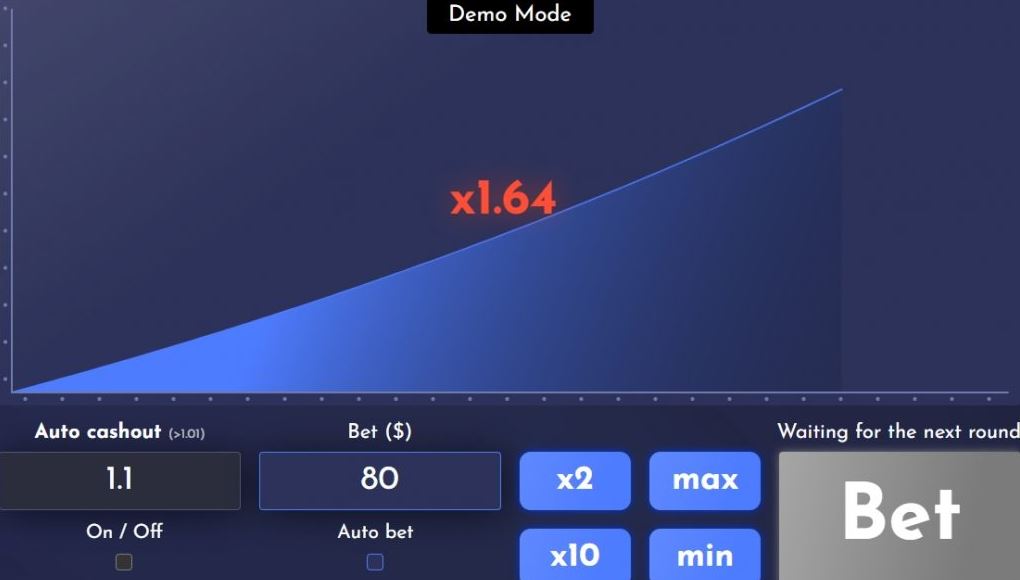
Rocketon Game is a polished, well-crafted new player in the gaming scene. It excels because it matches a great hook—the thrill of the launch—with gameplay that’s accessible but has true strategic meat on its bones. It impresses with its presentation, ushers new pilots with a smooth onboarding process, and provides everyone defined goals to chase. With continued support from its developers, Rocketon has established a foundation for a path that Canadian players, and gamers everywhere, can appreciate for the near future.

